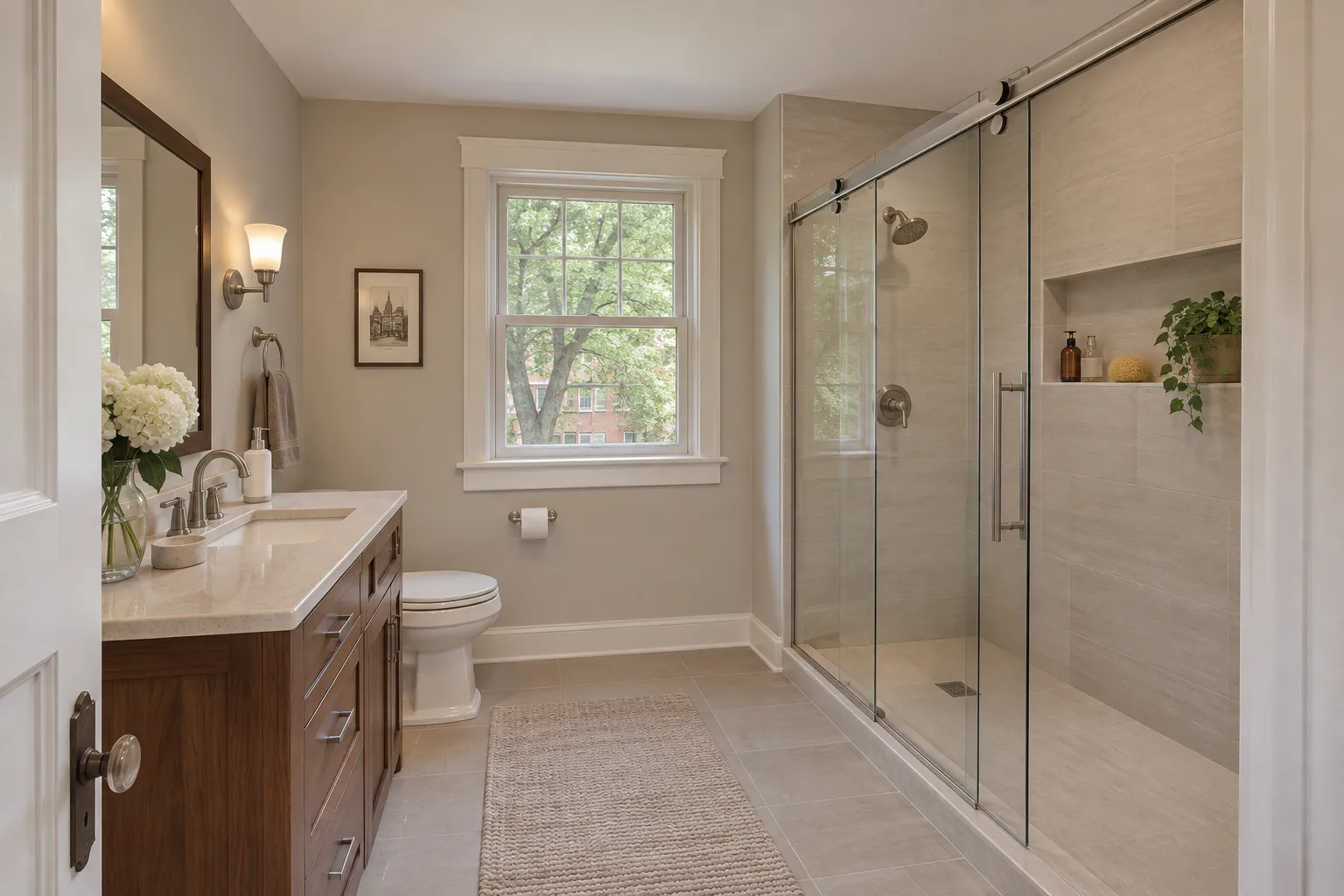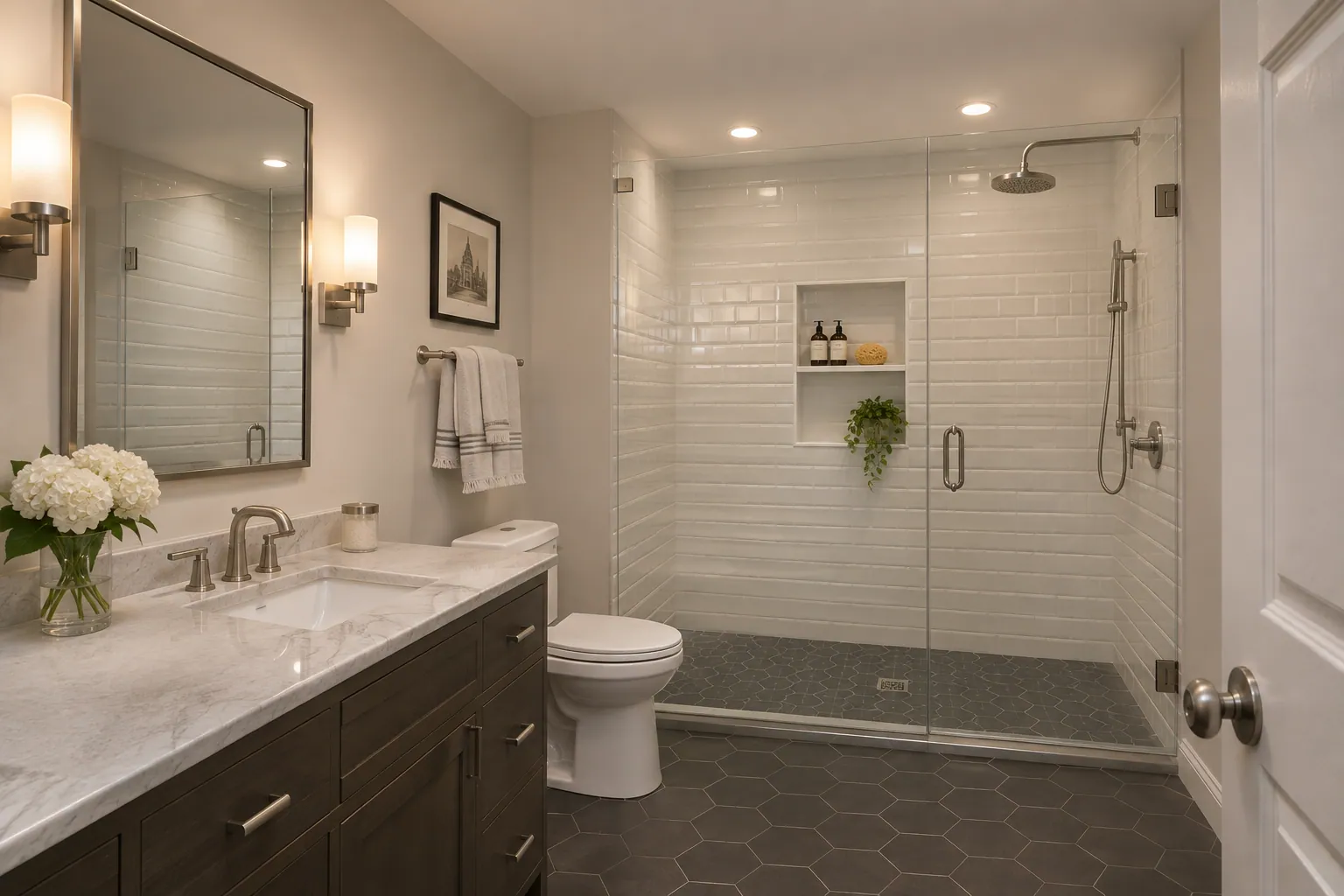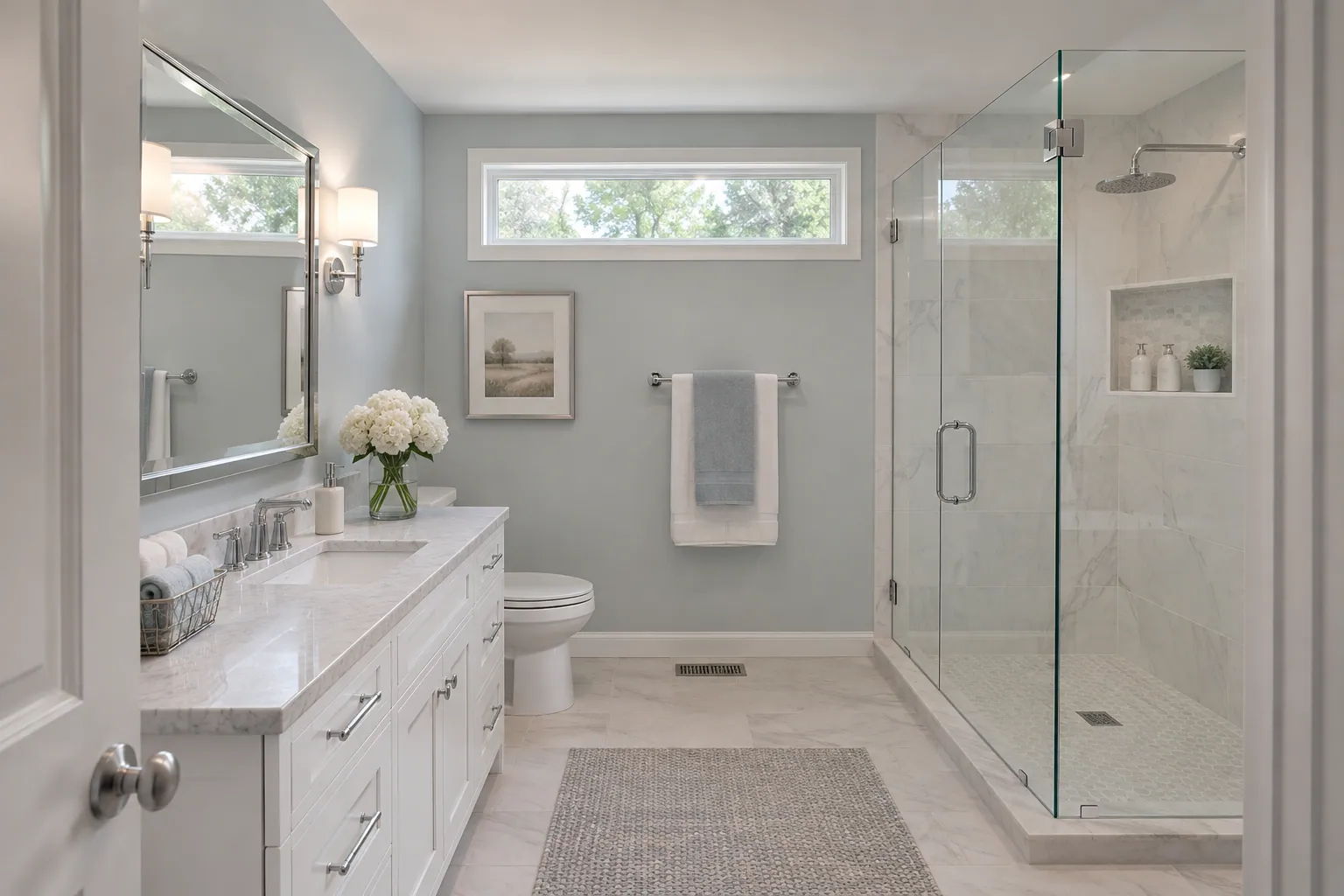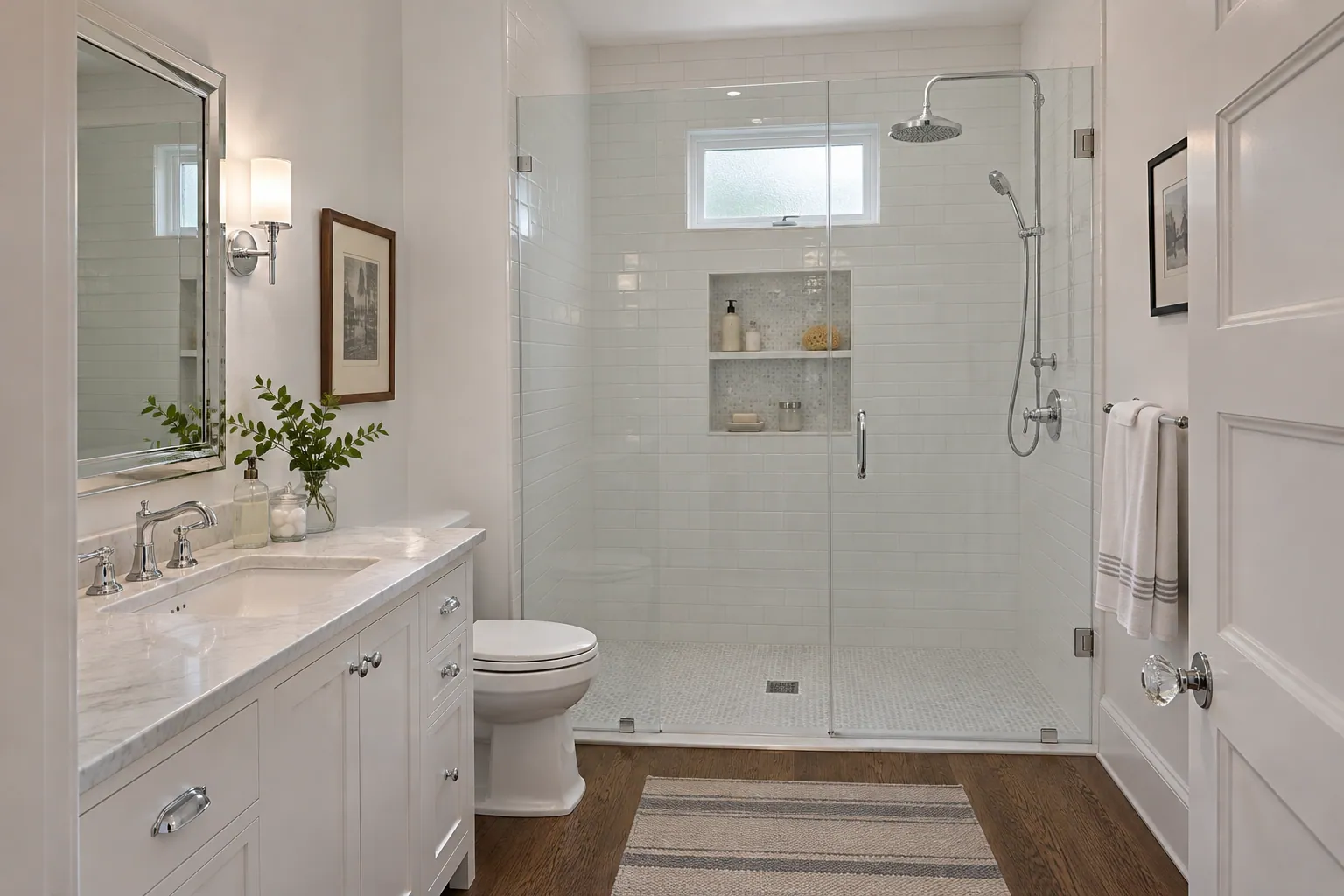
Most St. Louis homeowners we talk to are choosing between a one-day acrylic or solid-surface shower and a custom tile shower. Both can last for decades when they are installed right. The better choice depends on your house, your budget, how long you can live without a shower, and how much cleaning you want to do.
Key takeaways
- Acrylic and solid-surface showers usually install in 1 to 2 days and have few or no grout lines. Tile takes longer but allows nearly any size, shape and design.
- Most of the long-term performance in either type comes from what is behind the wall: waterproofing, a solid base and a properly sloped drain.
- Hard Missouri water spots both materials. Tile also needs grout sealing and periodic regrouting, while acrylic mostly needs gentle cleaners.
- The written quote is what counts for price. Typical ranges are a starting point only.
The short answer
If you want a dependable shower with a short schedule and low upkeep, acrylic or a solid-surface wall system is usually the better fit. If you want a custom size, a bench, a niche in a specific spot, or a particular look, tile is the way to go.
Neither one is better in every house. A 5x8 hall bath in a 1950s ranch has different needs than a primary bath in a split-level where the owners plan to stay another 20 years. The rest of this guide walks through the real differences so you can match the material to your situation.
Acrylic vs Tile Shower St Louis: How Each One Is Built
An acrylic shower is a factory-made base and wall set. The acrylic is typically backed with fiberglass or a reinforcing layer, and the pieces are cut and fitted to your opening. Solid-surface wall panels are a close cousin, made of a dense, non-porous material that can be cut and joined with very thin seams. Both give you a smooth wall with few joints where water can get in.
A tile shower is built on site, layer by layer. That means a sloped base, a waterproofing system (a sheet membrane or a liquid-applied one), cement board or a foam backer board, then tile and grout. Every layer matters. The tile you see is the least important part of whether the shower leaks in ten years.
This difference explains most of what follows. Acrylic arrives with its waterproofing built in. Tile depends on the skill of the installer at every step, and mistakes hide until there is a problem.
Acrylic and Solid Surface vs Tile at a Glance
| Factor | Acrylic or solid surface | Custom tile |
|---|---|---|
| Typical install time | 1 to 2 days | About a week or more, 2 to 4 weeks in a full remodel |
| Typical St. Louis price range | Often about $5,000 to $12,000 | Often about $9,000 to $25,000 or more |
| Grout lines | Few or none | Many, needs sealing and upkeep |
| Design flexibility | Standard sizes, many colors and patterns | Nearly unlimited sizes, shapes and layouts |
| Leak risk | Low when installed correctly | Depends on waterproofing quality |
| Cleaning | Wipe with non-abrasive cleaner | Easy on tile, more work on grout |
| Best fit | Hall baths, one-bath homes, tight timelines | Primary baths, custom layouts, curbless showers |
Install Time and Disruption
Most acrylic and solid-surface shower and tub replacements install in 1 to 2 days. The crew removes the old tub or shower, handles the plumbing and any wall repair, sets the new base and walls, and installs the fixtures. You are usually using the bathroom again in a day or two.
A custom tile shower takes longer because materials have to cure between steps. Waterproofing, setting and grouting each need drying time. Tile work inside a full remodel is generally part of a 2 to 4 week schedule, and a stand-alone tile shower often takes about a week or more depending on the design.
If you have one bathroom in the house, this matters. Two days without a shower is manageable. Two or three weeks takes planning, and many families use a gym membership or a relative's house during that stretch.
What Each Option Typically Costs
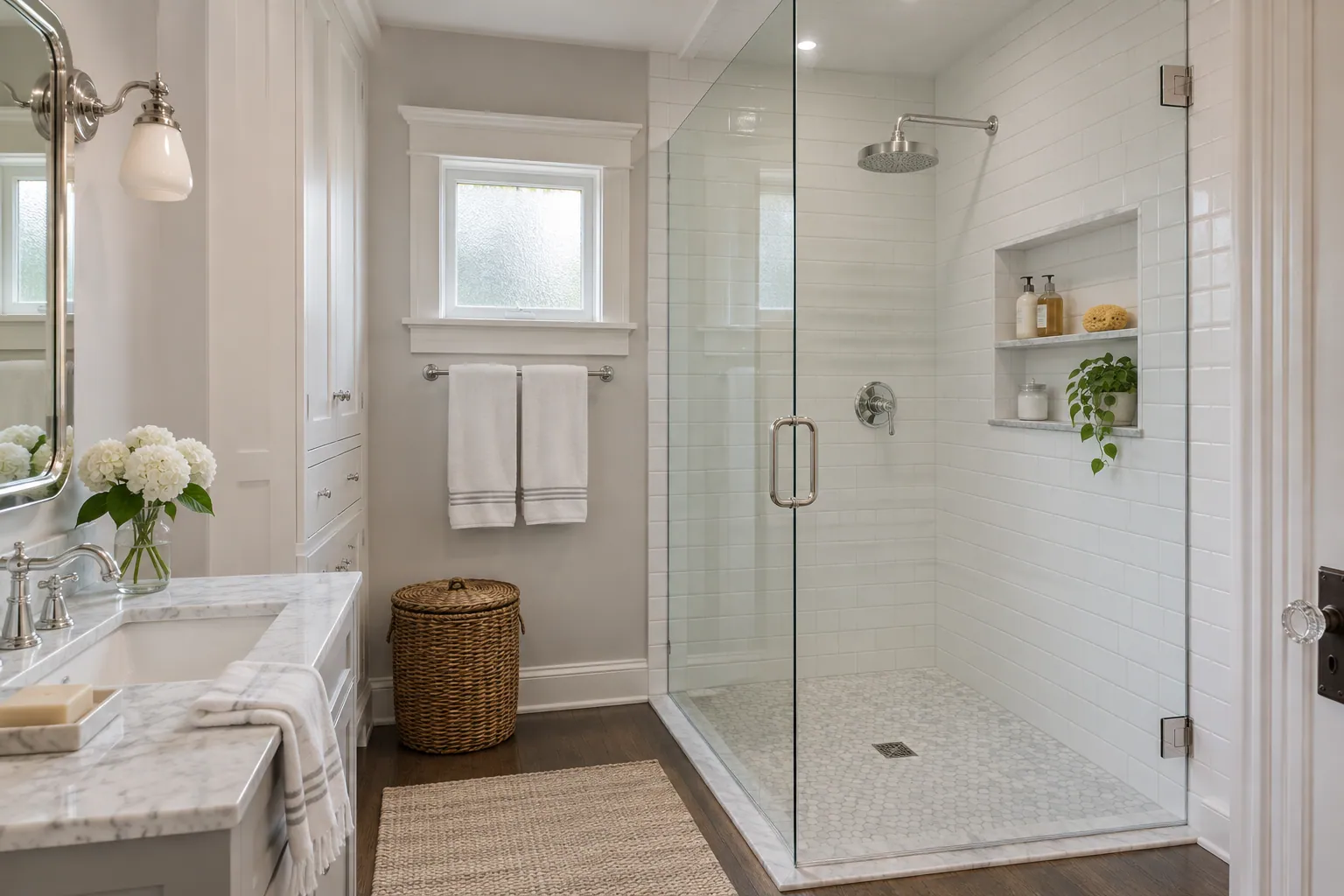
Prices vary with size, plumbing condition, fixtures and finish choices. As a rough guide, most acrylic or solid-surface shower and tub replacements in the St. Louis area land between about $5,000 and $12,000. Custom tile showers more often land between about $9,000 and $25,000 or more, especially with a bench, glass enclosure, or natural stone.
Those are typical ranges, not quotes. The written quote after a measured design visit is the number that counts, and it should spell out what is included, such as demolition, drain work, wall repair, permits where required, and disposal.
The gap in cost comes mostly from labor and time. Tile is more hours of skilled work. Acrylic is more material that is made in a factory, which keeps the on-site labor down.
Cleaning, Hard Water and Mold
St. Louis water is hard, and it leaves mineral spots on glass, fixtures and any surface that stays wet. Acrylic and solid surface wipe clean quickly. Use a non-abrasive cleaner, because harsh scrub pads can dull the finish over time. A squeegee after showers helps more than any product.
Tile is easy to clean on the face, but grout is porous. Our humid summers encourage mildew in grout lines, especially in bathrooms with weak fans. Grout generally needs sealing and may need cleaning, sealing or partial regrouting over the years. Larger tiles mean fewer grout lines, and that helps.
One note on mold: it follows moisture, not material. A bathroom with a good exhaust fan vented outdoors, not into the attic, stays drier whichever shower you choose. If your fan is the original from 1965, it is worth upgrading during the project.
What Older St. Louis Homes Add to the Decision
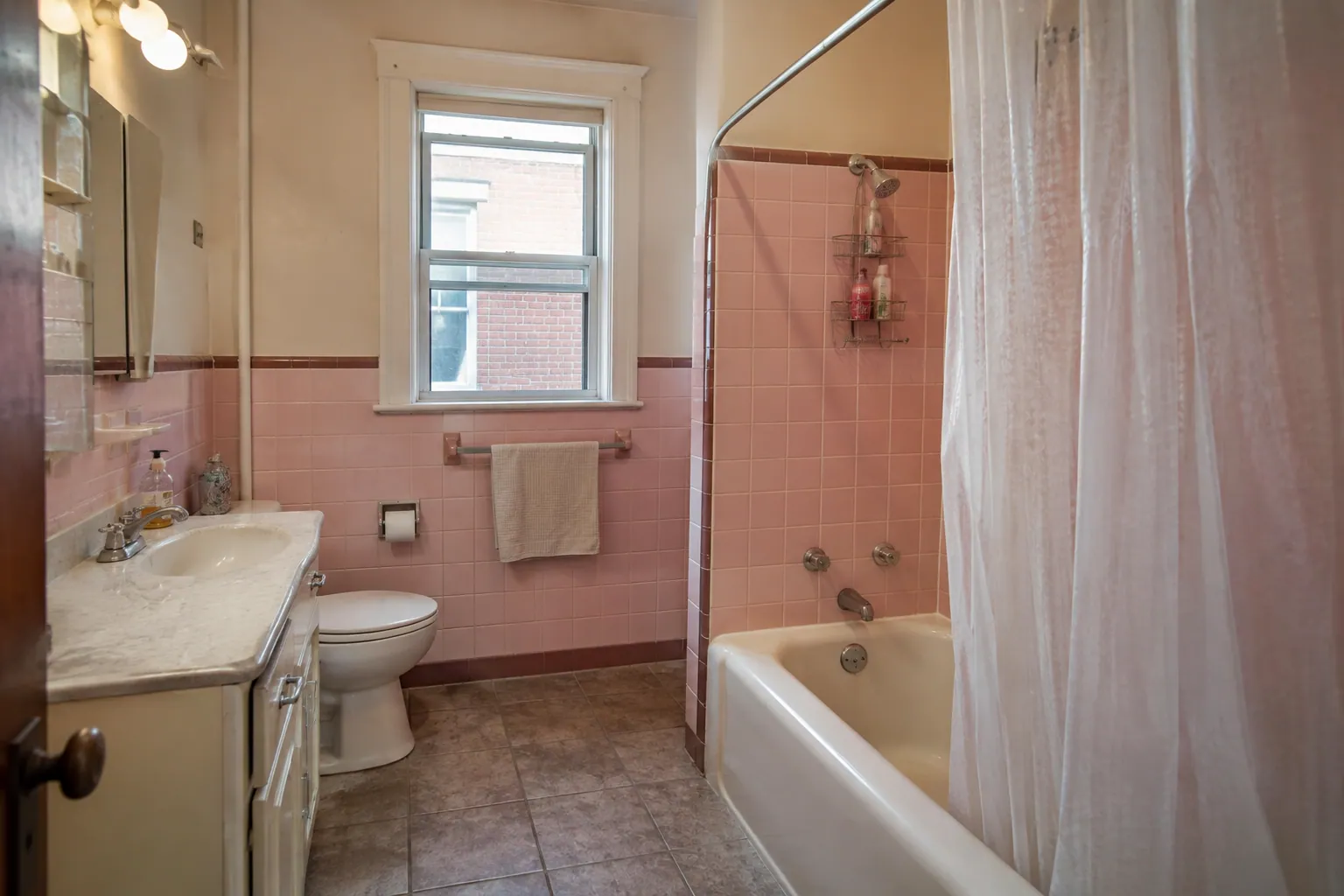
Many of the homes we work in are brick bungalows, 1950s ranches and split-levels. Behind the old tile or the steel or cast-iron tub, we often find plaster over lath, galvanized supply lines, cast-iron drains, and a subfloor that has seen decades of small leaks. None of that rules out either material, but it affects the work.
Cast-iron tubs are heavy and have to come out in pieces. Old drain lines may need repair or replacement while the wall is open, which is much cheaper to do before the new shower goes in. Exterior walls on a cold winter day can also be a concern, since a cold wall with a warm shower can lead to condensation. Proper insulation and a vapor-aware wall build help, and your installer should look at that rather than just covering over it.
Space matters too. In a small 5x8 hall bath, a one-piece look with few seams keeps things bright and simple. Acrylic fits well there. Basement baths are a separate case because of drain height and moisture, so the base and drain design should come first, before choosing wall material.
Permits depend on the work and the municipality. Moving plumbing or changing layout often triggers a permit in St. Louis County or the city or town you live in, and a licensed installer should know the local requirements and handle them.
Safety, Accessibility and Staying in Your Home
Many of our customers are planning to stay in their homes for a long time, so step height matters. A low-threshold or curbless-style shower is easier to get into than a tub wall, and either material can be built that way. Tile offers the most flexibility for a fully curbless shower because the floor can be sloped to the drain. Acrylic bases are available in low-threshold designs that fit standard openings.
Surface texture also matters. Acrylic bases usually have a built-in textured pattern. Tile floors are safer with small tiles and more grout lines, which give more grip but also more cleaning.
If there is any chance you will want grab bars, tell your remodeler up front. Solid blocking can be placed behind the walls during the build, so bars can be mounted anywhere, now or later. That is much easier than hunting for studs afterward.
How to Decide
Start with the schedule and the budget, then look at your house. If you have one bathroom, a tight timeline, or a standard tub-shaped opening, acrylic or solid surface is hard to beat. If you have a larger space, want a bench or a specific style, or are doing a full remodel anyway, tile makes more sense.
It is also fair to mix. Many homeowners choose a solid-surface or acrylic shower and use tile on the floor or as an accent elsewhere in the room. A good designer will show you samples in person or on a video visit so you can see sheen and color in your own light before you commit.
The bottom line
If you are still torn between acrylic and tile, the easiest way to settle it is to look at your actual bathroom. We offer a free in-home or video design visit where we measure the space, check the tub, walls and drain, and talk through both options with samples. You will get a written quote that shows exactly what is included, with no pressure to decide that day. Take your time, compare it with any other estimates, and choose the shower that suits your house and the way you live in it.